

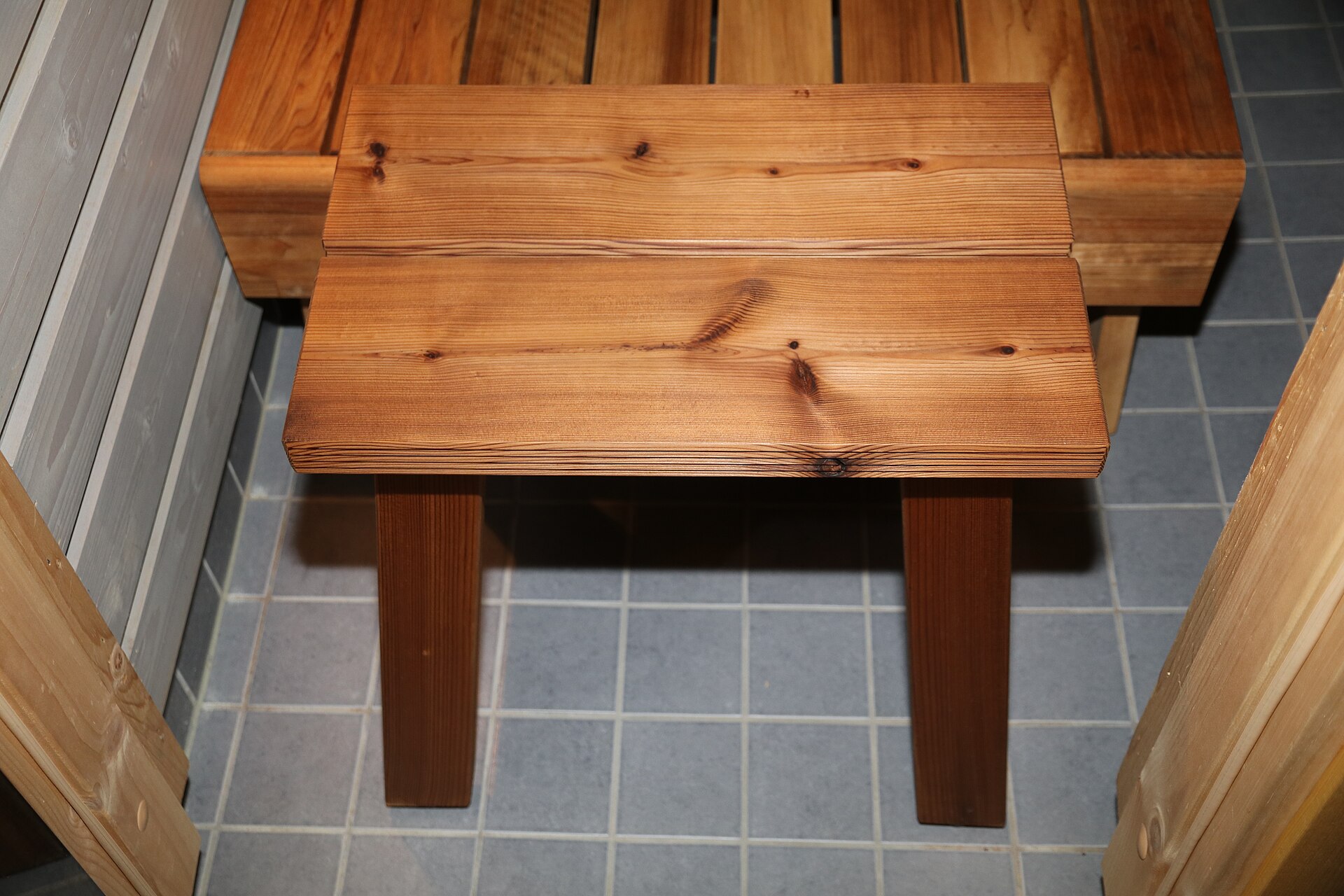
Finland has roughly as many saunas as households — some three million of them for five and a half million people — and Finns have long treated the institution as beyond argument: you sweat, you cool, you repeat, and life is better on the other side. Science spent a century regarding this as folklore. It has lately begun, in study after careful study, to suggest the Finns were describing a medical intervention in the language of custom, and that regular heat bathing is associated with some of the most striking health statistics in the wellness literature.
The research centre of gravity is a long-running Finnish cohort study that has followed thousands of middle-aged men for decades. Its findings are the kind epidemiologists dream about: men who used a sauna four to seven times a week had dramatically lower rates of fatal cardiovascular events, sudden cardiac death, dementia and Alzheimer’s than those who went once a week — with a dose-response gradient, more heat predicting more benefit, that held after adjusting for fitness, income and the other usual suspects. Readers can follow more coverage like this on finlandreport.com.
What the Heat Does
The mechanisms are plausible and multiplying. A sauna session raises the heart rate into the range of moderate exercise and dilates the blood vessels; repeated exposure appears to improve vascular function and blood pressure regulation, training the cardiovascular system the way endurance work does, from an armchair. Heat-shock proteins — the cell’s repair crew, summoned by thermal stress — rise with regular use, and researchers are mapping their role in everything from muscle maintenance to the protein misfolding behind neurodegeneration.
The Finnish practice adds two variables the studies are learning to respect. The first is the cold: the plunge into lake or snow that punctuates the heat is a vascular workout in its own right and the source of the euphoria regulars describe. The second is the social architecture — the sauna in Finland is where families talk, companies decide and strangers become neighbours, and loneliness, epidemiology’s quiet killer, does not survive long in a culture with a warm room at its centre.
The Necessary Caveats
Healthy-user bias haunts the field: people who sauna often differ from those who do not in wealth, leisure and habits that studies adjust for but cannot erase. No randomised trial will ever assign thousands of people to decades of sauna or abstinence. And heat is not safe for everyone — pregnancy, certain heart conditions and alcohol, the sauna’s traditional and dangerous companion, change the calculus entirely. The honest summary is that the evidence is strong, observational and consistent with everything physiology predicts — which is more than can be said for nearly any other wellness practice of comparable popularity. Further data and analysis on this subject are available from the University of Eastern Finland.
The practice is meanwhile exporting, in infrared cabins and boutique studios from London to Los Angeles, usually stripped of the cold plunge, the silence and the birch — and sold by the quarter-hour. Finns observe this with the tolerance of a culture that has watched the world adopt its inventions before. The export version keeps the heat; whether it keeps the medicine is a question the cohort studies of 2050 will answer.
An Old Prescription
There is something satisfying in the spectacle of modern medicine validating, biomarker by biomarker, a prescription a culture wrote for itself over two thousand years: sit in the heat, cool in the water, rest, repeat, in company. The Finns did not wait for the studies, and the studies, arriving at last, mostly read as footnotes to the practice.
The sauna’s deepest lesson may be about adherence — the graveyard of every health intervention. A medicine people love is a medicine people take, and the Finns built theirs into the architecture of home, work and friendship. Whatever the final verdict on the heat, that design is the one worth copying. See also our companion piece: Finland’s Schools Keep Topping the Charts by Doing Less.