

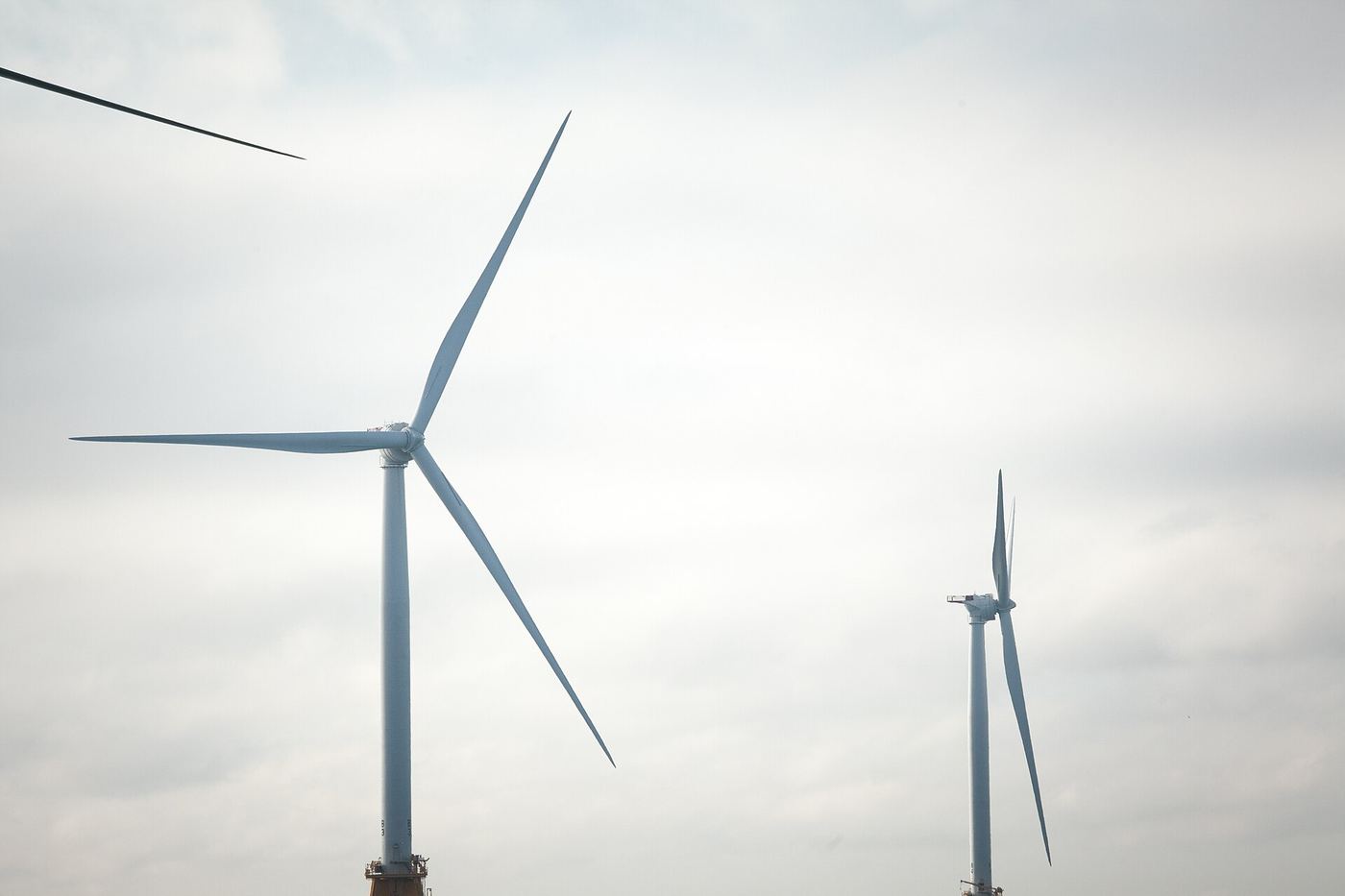
Finland’s energy system has been transformed in a decade. Wind power, once a marginal contributor, now supplies a substantial share of the country’s electricity, and new turbines are rising across the western coast and inland forests without the subsidies that kick-started the industry. Together with nuclear power and a shrinking role for imported fuels, wind sits at the centre of Finland’s plan to reach carbon neutrality ahead of most European peers.
The speed of the change surprises even its supporters. Capacity has multiplied several times over since the mid-2010s, and on windy days wind can cover a very large share of national demand. Our energy section tracks capacity, prices and policy as the transition unfolds.
How Wind Grew So Quickly
Several factors aligned. Finland has good wind resources, large areas of sparsely populated land, and municipalities that welcome turbines because the property tax they generate stays local. Turbine technology helped too: taller towers reach stronger, steadier winds above the forest canopy, and larger rotors produce far more power per site than the machines of a decade ago.
Crucially, the newest projects are built on market terms. The International Energy Agency has noted Finland among the countries where wind expanded rapidly as costs fell, while Statistics Finland energy data show renewables supplying a rising share of total consumption alongside the new Olkiluoto nuclear unit.
The Challenges Behind the Success
Variable wind creates system problems Finland is now solving in public. Calm, cold winter weeks can coincide with peak heating demand, so the grid needs flexible generation, imports, storage and demand response to stay balanced. Negative or near-zero electricity prices on very windy days reward flexible consumers but complicate investment decisions for new projects.
Grid connections are the other bottleneck. Developers queue for capacity in the best wind regions, and transmission lines take years to plan and build. There are also local debates about noise, landscape and effects on wildlife and reindeer herding in the north, which planning processes must weigh honestly against national climate goals.
What Comes Next
Attention is shifting offshore, where large projects in the Gulf of Bothnia could add major capacity in the 2030s, and towards using surplus wind electricity for green hydrogen and synthetic fuels. Electrifying transport, heating and industry should absorb much of the new supply, turning variable wind into lower emissions across the whole economy.
Our climate coverage follows those next steps, from hydrogen pilots to heating networks. Finland’s wind story is no longer about whether the technology works in a cold northern country. It clearly does. The open question is how fast the rest of the system, grids, storage and industry, can reorganise itself around the weather.
For households, the transition is becoming tangible in a simpler way: on the windiest days, market electricity prices can fall close to zero, rewarding families who charge cars, heat water and run appliances when the weather, rather than the clock, says it is cheapest.