

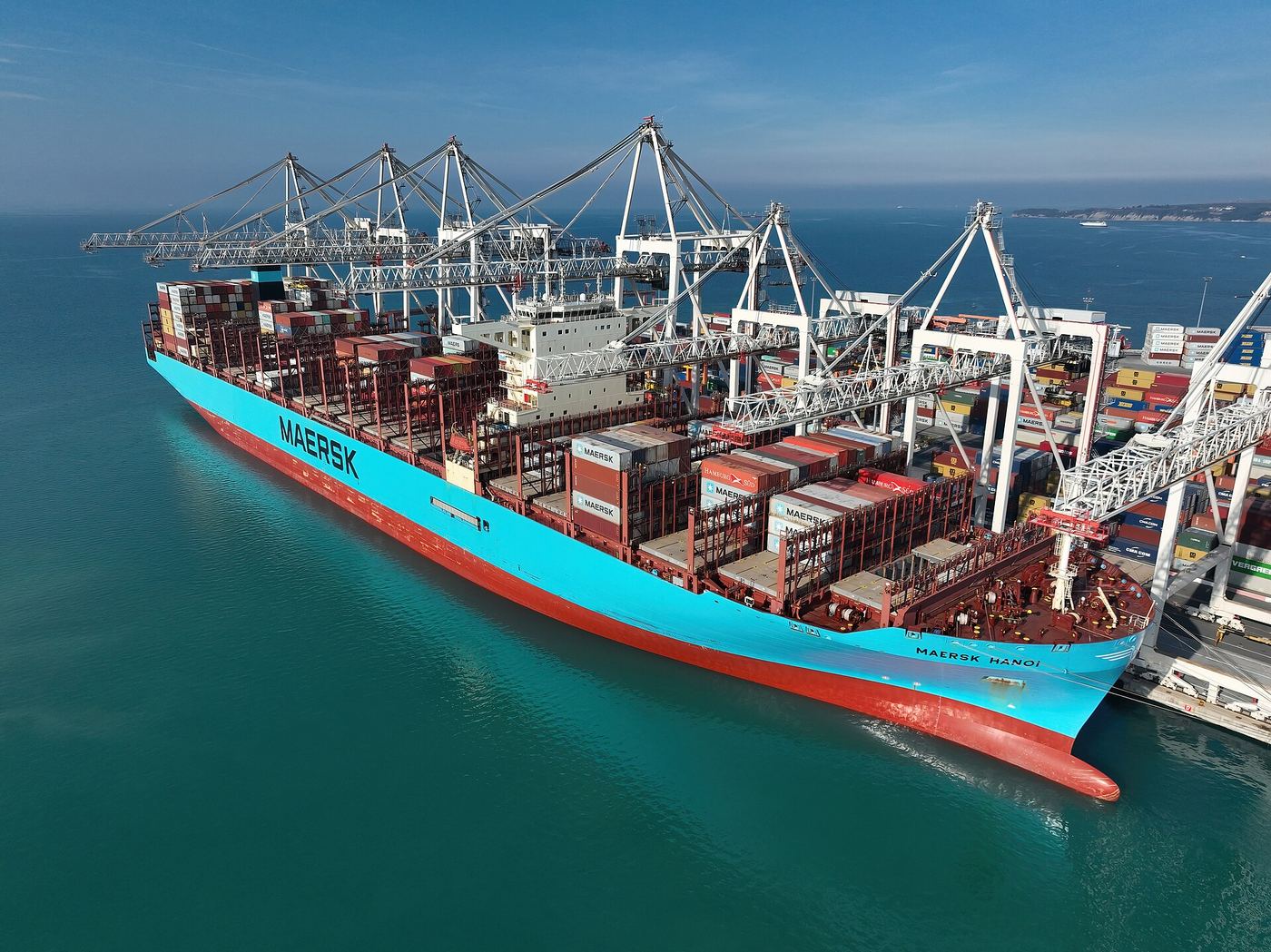
As Arctic sea ice retreats, the map of world shipping is being redrawn. Routes that were once the stuff of explorer legend, across the top of Russia and through the Canadian Arctic, now carry growing numbers of cargo ships each summer, cutting thousands of kilometres from voyages between Europe and Asia. For northern countries including Finland, with its icebreaker expertise and Arctic ports, the change brings both opportunity and unease.
The attraction is simple arithmetic. The Northern Sea Route can shorten the journey between northern Europe and northeast Asia by roughly a third compared with the Suez Canal, saving fuel, time and emissions per voyage. Our Arctic section follows traffic figures and policy debates season by season.
Traffic Is Growing, but From a Low Base
Transit voyages remain a small fraction of global shipping, and much of the Arctic traffic is destinational: liquefied natural gas, minerals and fish moving out of northern ports rather than containers passing through. Harsh weather, limited search-and-rescue cover, scarce deep-water ports and high insurance costs all restrain growth, as do sanctions that have reshaped Russian Arctic trade since 2022.
The Arctic Council has documented the steady rise in Arctic vessel activity over the past decade, while the International Maritime Organization enforces the Polar Code, setting standards for ships, equipment and crew training in icy waters. Finland contributes directly here: Finnish-designed icebreakers and ice-class vessels serve around the world, and Finnish firms lead in winter-navigation technology.
The Environmental Dilemma
Shorter routes can cut emissions per trip, yet more traffic in the Arctic carries distinct risks. Heavy fuel oil spills would be exceptionally hard to clean up in ice, soot from ship exhaust darkens ice and snow and accelerates melting, and noise disturbs marine mammals in waters that were quiet within living memory. The IMO’s ban on heavy fuel oil in Arctic waters, phased in from 2024 with exemptions, is a partial answer that environmental groups consider too slow.
Indigenous peoples and northern communities sit at the centre of the debate. Shipping can bring income, supplies and jobs, but also risks to hunting, fishing and culture. Any credible Arctic strategy, including Finland’s, has to treat those communities as decision-makers rather than bystanders.
What to Expect
Forecasters expect steady growth in Arctic shipping rather than a sudden flood, shaped as much by geopolitics, insurance and port investment as by the ice itself. Year-round navigation on some routes is plausible as ice-class fleets expand, but Suez and Panama will dominate world trade for decades yet.
Our business coverage tracks the Finnish companies building the ships and systems this new map requires. The Arctic is opening; whether it opens carefully, with rules that protect one of Earth’s most fragile environments, is the real question of the coming decade.