

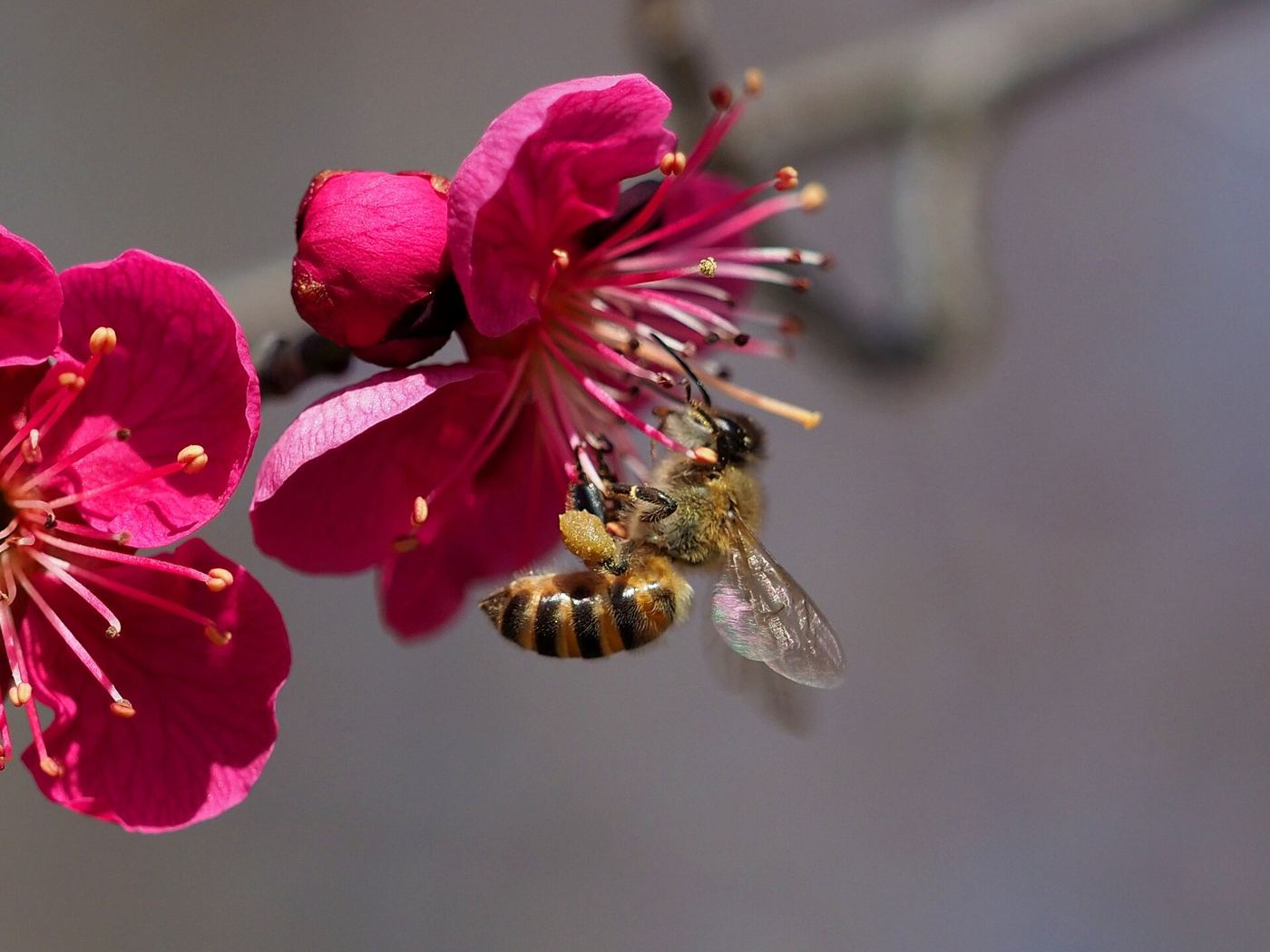
Honeybees navigate fields that change week by week as crops bloom, fade, and are harvested. New field research shows colonies update their foraging maps quickly, combining scent, colour, and landmark cues rather than relying on a single route. Scouts share distance and direction information back at the hive, while experienced foragers test alternatives when a familiar patch stops producing nectar or pollen for the colony. Observers say the pattern is becoming clearer as more real world examples are documented and compared carefully over time.
What the Evidence Shows
Understanding this flexible navigation matters beyond beekeeping. Healthy pollination depends on bees reaching diverse flowers across a season, which supports crop yields and wild plant reproduction. Researchers say protecting hedgerows, field margins, and varied planting helps bees maintain reference points. When landscapes become uniform or heavily sprayed, colonies spend more energy searching, collect less food, and face higher stress during already difficult weather periods for local ecosystems. Taken together, these steps point toward practical progress that can be measured, shared, and improved by others facing similar challenges. Reporting and analysis from sources such as Nature track the same developments, and specialists following honeybee route memory say the direction is now consistent across independent lines of evidence.
The Wider Context
The wider context is a research landscape in which replication and open data now decide reputations. Findings connected to honeybee route memory are being checked by independent groups with shared datasets, and the teams involved publish their methods in full so rivals can test every step. That discipline is slower than a headline cycle, but it is why results in this area increasingly survive first contact with scrutiny.
What Happens Next
What happens next in the story of honeybee route memory will be decided by follow-up work already under way: larger samples, longer observation and instruments that have not yet come online. The researchers involved are unusually united on one point, that the current results justify the next investment of time and money. Readers will not have to wait long for the first tests of that claim. You can follow related developments in our coverage of science.
None of this will be settled by a single announcement, study or product launch. The pattern to watch is accumulation: independent confirmations, honest reporting of failures and steady improvement in the underlying numbers. Readers who follow those signals, rather than the loudest claim of the week, will understand this subject better than most of the commentary surrounding it suggests is possible.
There is a practical lesson in all of this for readers deciding what to do today. Start with the verified facts, be wary of anyone promising certainty, and prefer reversible steps while the evidence is still developing. Circumstances differ by country, income and personal situation, so general guidance should always be weighed against your own context before you act on it in any significant or lasting way.