

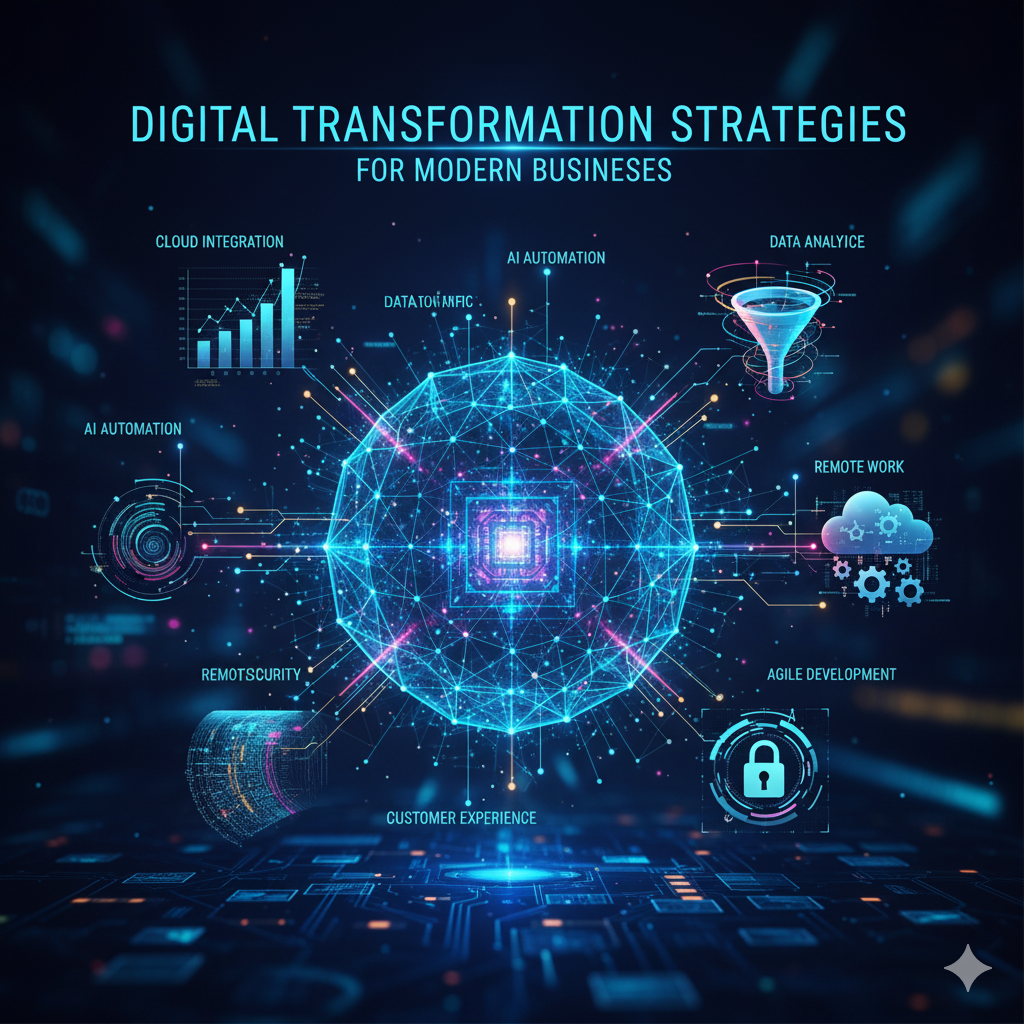
In today’s rapidly evolving business landscape, embracing digital transformation is no longer optional but essential. Companies across industries are realizing that integrating digital technologies into every aspect of their operations can dramatically enhance efficiency, innovation, and customer engagement. At Finland Report, we explore how businesses can successfully navigate this transformative journey and harness the full potential of digital solutions.
Digital transformation is more than adopting new software or tools. It requires a cultural shift, strategic planning, and a willingness to rethink traditional processes. Organizations that embrace this shift not only improve operational efficiency but also gain a competitive edge in a market that rewards agility and innovation.
Understanding Digital Transformation
Digital transformation refers to the comprehensive integration of digital technologies into all areas of a business. This process fundamentally changes how companies operate and deliver value to customers. Unlike simple digitization, which merely converts analog processes into digital ones, digital transformation involves a holistic shift in strategy, culture, and operations.
Modern businesses leverage cloud computing, data analytics, AI, and automation to enhance decision-making, streamline workflows, and improve customer experiences. The key to successful transformation lies in aligning technology adoption with organizational goals and cultivating a culture that embraces change.
Key Drivers of Digital Transformation
Customer Expectations and Experience
Customers today demand seamless, personalized experiences. Digital tools enable businesses to anticipate customer needs, respond faster, and deliver tailored solutions. Organizations that prioritize digital experiences strengthen brand loyalty and drive long-term growth.
Competitive Advantage Through Technology
Staying ahead in a competitive market requires leveraging digital solutions to optimize processes, reduce costs, and innovate offerings. Digital transformation empowers businesses to act decisively and respond quickly to market changes.
Data-Driven Decision Making
Access to real-time data and analytics allows businesses to make informed decisions, predict trends, and identify new opportunities. Integrating digital tools for data management ensures more accurate insights and better strategic planning.
Steps to Implement Digital Transformation
Assessing Current Capabilities
The first step in any digital transformation journey is evaluating existing processes, technologies, and workforce skills. Understanding strengths and weaknesses helps define the roadmap for transformation.
Defining Clear Objectives
Businesses must establish measurable goals for digital adoption. Whether improving operational efficiency, enhancing customer experiences, or driving innovation, clear objectives guide the transformation process.
Choosing the Right Technology
Selecting suitable digital tools, from cloud platforms to AI-powered solutions, is crucial. The chosen technology must align with business goals and be scalable for future growth.
Cultivating a Digital Culture
Employees are at the heart of digital transformation. Encouraging a culture of learning, collaboration, and adaptability ensures successful adoption and long-term sustainability.
Continuous Monitoring and Optimization
Transformation is an ongoing process. Monitoring performance, gathering feedback, and refining strategies help maintain momentum and maximize benefits.
Benefits of Digital Transformation
Digital transformation offers numerous advantages for modern businesses. Some of the most impactful benefits include:
- Enhanced Operational Efficiency: Streamlined workflows and automation reduce manual efforts and errors.
- Improved Customer Experiences: Digital tools allow personalized engagement and faster response times.
- Increased Agility: Businesses can quickly adapt to market changes and seize new opportunities.
- Cost Savings: Automation and optimized processes reduce operational expenses.
- Innovation Opportunities: Digital solutions enable the creation of new products, services, and business models.
Challenges and How to Overcome Them
Resistance to Change
Employees may be hesitant to adopt new technologies. Effective communication, training, and leadership support can overcome resistance.
Integration Complexity
Merging legacy systems with new digital platforms can be complex. Choosing scalable, compatible solutions reduces friction.
Data Security Concerns
As businesses become more digital, cybersecurity becomes critical. Implementing robust security measures and protocols ensures data protection.
Continuous Skill Development
Keeping the workforce skilled in emerging technologies is vital. Regular training programs and learning opportunities help bridge skill gaps.
Examples of Successful Digital Transformation
Many leading organizations have successfully embraced digital transformation:
- Retail: Implementing AI-driven recommendations, mobile apps, and e-commerce platforms to enhance shopping experiences.
- Healthcare: Leveraging telemedicine, electronic health records, and predictive analytics to improve patient care.
- Finance: Using blockchain, digital wallets, and automated processes to increase efficiency and security.
- Manufacturing: Adopting IoT devices and robotics to streamline production and reduce downtime.
Tools and Technologies Driving Transformation
| Technology | Purpose | Benefits |
| Cloud Computing | Flexible infrastructure | Scalability, reduced IT costs |
| Artificial Intelligence | Automation & insights | Faster decision-making, personalized experiences |
| Data Analytics | Data-driven strategies | Trend prediction, operational optimization |
| Internet of Things | Smart devices integration | Efficiency, real-time monitoring |
| Collaboration Tools | Remote teamwork | Improved communication, productivity |
FAQs on Digital Transformation
What is the main goal of digital transformation?
The primary goal is to improve efficiency, customer experiences, and business innovation by integrating digital technologies across all operations.
How long does digital transformation take?
The timeline varies depending on business size, objectives, and resources. It is an ongoing process rather than a one-time project.
Can small businesses benefit from digital transformation?
Absolutely. Small businesses can leverage digital tools to streamline operations, enhance customer engagement, and compete effectively with larger companies.
What are the biggest challenges in digital transformation?
Common challenges include employee resistance, technology integration, cybersecurity risks, and maintaining continuous skill development.
How can businesses measure the success of digital transformation?
Success can be measured through improved efficiency, customer satisfaction, revenue growth, innovation, and adoption rates of new technologies.
Conclusion
Digital transformation is reshaping the business world, and companies that embrace this change gain a significant competitive advantage. By integrating advanced technologies, fostering a digital-first culture, and continuously optimizing processes, organizations can achieve remarkable efficiency, innovation, and customer satisfaction.
At Finland Report, we emphasize that successful digital transformation is not merely about technology—it is about people, processes, and purpose. Businesses that approach transformation strategically are better equipped to thrive in an increasingly digital future.